

Moving to a new country always comes with a mix of excitement and a long mental checklist. The Netherlands is one of the more newcomer-friendly places to land — efficient systems, widespread English, and a genuinely welcoming attitude toward internationals — but there’s still a right order to do things in. Get the sequence wrong, and small delays can snowball into weeks of waiting. Here’s what actually matters, and when.
Sort your housing before you land
Everything else — registration, your BSN, opening a bank account — depends on having a fixed address. In competitive cities, rental housing moves fast, so it’s worth having something lined up (even temporary) before you arrive rather than searching from a hotel room.
Register with the Municipality
If you’re staying more than four months, you’re required to register in person at the town hall (gemeente) of the city you’ll live in, typically within five days of arrival. This step matters more than it looks: it’s how you get your BSN (citizen service number), and almost nothing else works without one — no bank account, no health insurance, no employment contract, no DigiD. Miss the deadline and you risk a fine on top of the delays.
Arrange health insurance within four months
Dutch basic health insurance (basisverzekering) is mandatory for anyone living or working in the country, regardless of any coverage you already have from home. You have four months from registering (or starting work) to sort this — don’t let it slide to the last week.
Open a bank account once you have your BSN
Most Dutch banks — ING, ABN AMRO, Rabobank — let you start the process online, but full activation needs your BSN. Having a Dutch account makes everything from rent to daily payments noticeably smoother, since contactless and iDEAL payments are the norm.
Get moving without overthinking transport
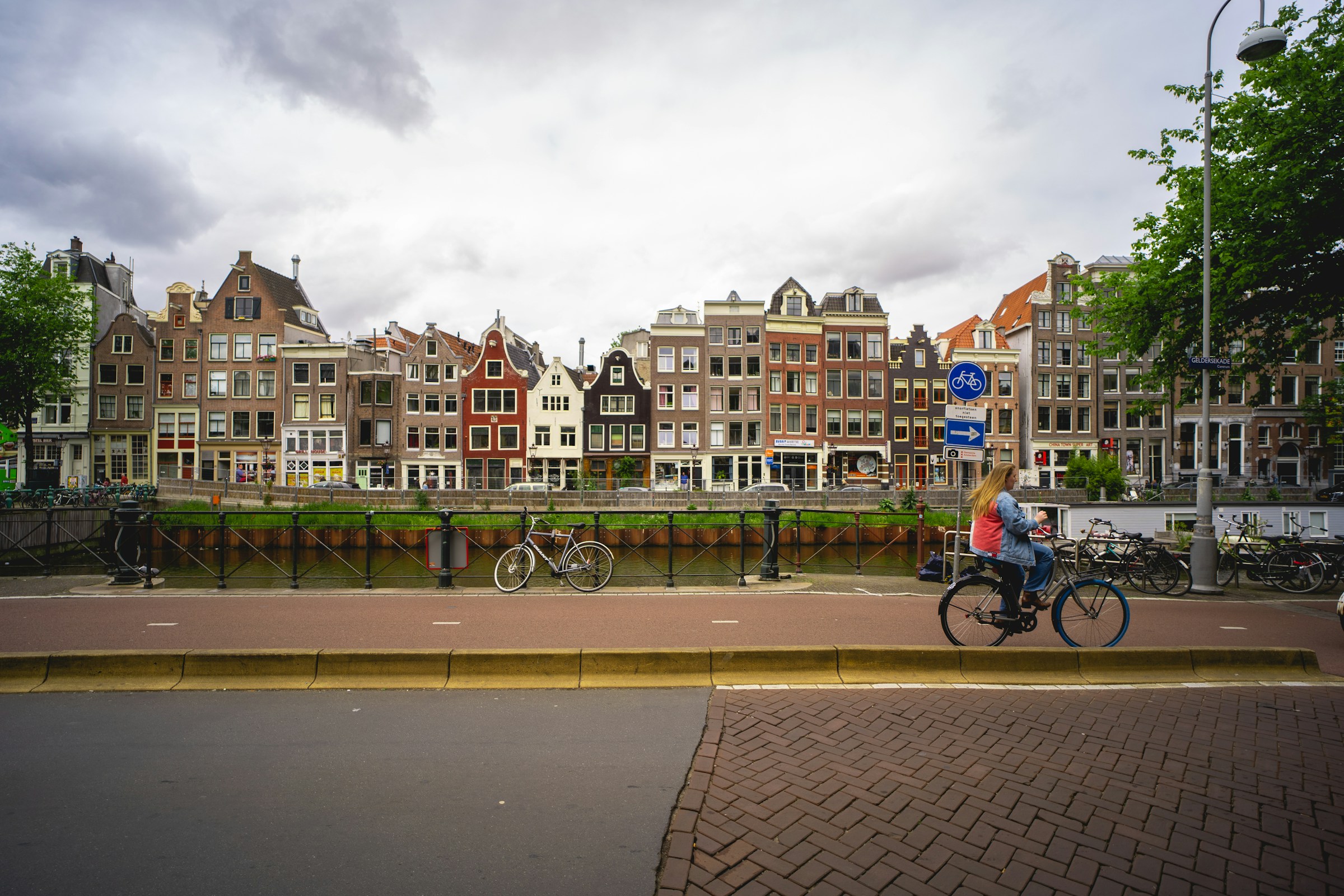
You don’t need to buy anything special to start using public transport — tapping in and out with a contactless bank card or your phone works nationwide from day one. If you plan to stay long-term, the traditional OV-chipkaart is being phased out in favor of newer contactless systems, so there’s less reason to bother with a separate card than there used to be. And once you’re settled, get a bike — it’s the default way most people get around locally, not an extra.
Bringing a pet? Start early
If a dog, cat, or ferret is coming with you, the timeline is longer than most people expect: microchipping, a rabies vaccination with a mandatory 21-day wait, possible titer testing depending on your country of origin, and an official health certificate issued shortly before travel. Depending on where you’re moving from, it’s worth starting this process one to two months ahead — leaving it late is the single most common reason pet relocations get delayed.
Ready to start a new chapter?
At Solvès, this is exactly the part of relocating we stay involved in — not just placing you in a role, but making sure the practical side of the move doesn’t fall entirely on your shoulders. get in touch if you’re planning a move and want support beyond the job offer.